Parenting
What It Means to Be a Mother of an Autistic Child – Pamela Furr’s Story

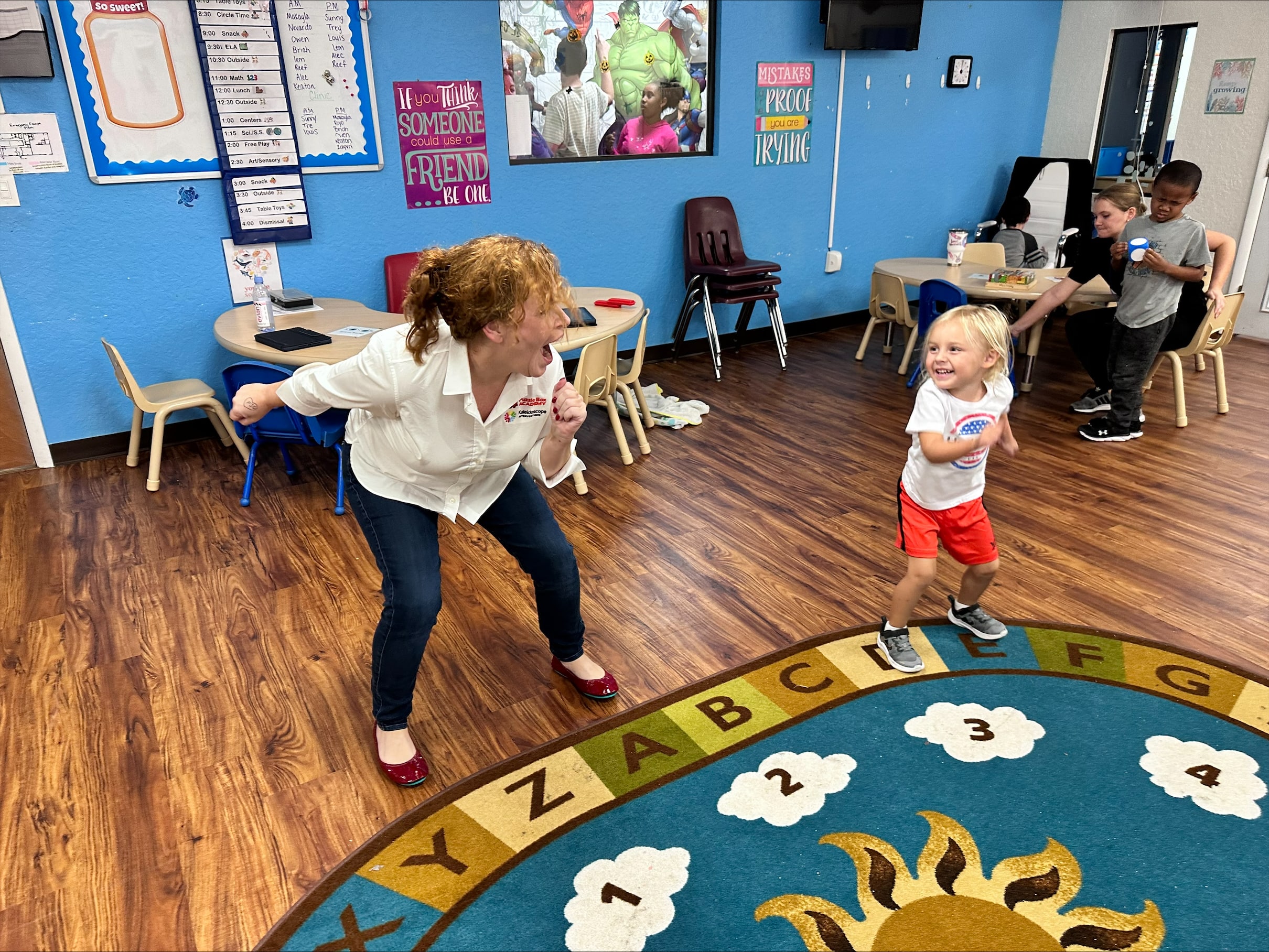
Being a mother of an autistic child is a journey of unconditional love and acceptance. When a child is diagnosed with autism, mothers learn to love their child for who they are. They embrace their child’s unique qualities, celebrate their accomplishments, and stand by their side while navigating a complex web of therapies, interventions, and educational services to ensure their child receives the best support.
Autism often comes with communication difficulties, sensory sensitivities, and repetitive behaviors. So, mothers need to be patient and learn to interpret their child’s unique language. While there are moments of joy and laughter, there are also moments of frustration, sadness, and worry.
Caring for an autistic child is a tireless journey that requires mountains of determination, but your child is worth it.
Here’s a real-life example of a mother who strived to provide the best resources for her son and other families in the same struggle.
Pamela Furr‘s journey took an unexpected twist when her son, Loki, was diagnosed with autism. This diagnosis began a life dedicated to advocating for children on the autism spectrum and reshaping education and early intervention.
At 19, she became a licensed life and health insurance agent. By 23, she became licensed in 42 states and as an adjuster for the State of New York. At 27, Pamela welcomed her first and only child into the world, Loki. He changed her life forever, especially when Loki received his autism diagnosis.
Pamela enrolled at the University of Phoenix to become an elementary school teacher. She wanted the knowledge and skills to provide Loki with the best education and support. She was prepared to homeschool him if the education system didn’t meet his needs. This was the beginning of her journey into special education.
Pamela’s experiences as a mother of an autistic child led her to establish Puzzle Box Academy and Kaleidoscope Interventions in 2014. They help children on the autism spectrum and their families. They have helped countless families, providing crucial early intervention services and support.
Experienced as an insurance agent and adjuster enabled Pamela to navigate the complexities of insurance reimbursement for child therapy services. She understood the ins and outs of medically necessary treatments. This knowledge proved invaluable in advocating for children with autism.
Through the highs and lows, Pamela never gave up. She pushed boundaries, challenged professionals, and joined forces with like-minded individuals for a better future for children with autism. Her dedication has not only transformed the lives of her family but has also impacted the lives of others.
Today, Puzzle Box Academy is a thriving institution with over 100 students between the ages of 2 and 17. Pamela’s dream of creating a supportive and inclusive environment for children with autism has become a reality. Children have progressed from early elementary to high school graduation, and many have seen tremendous improvements, often no longer requiring ABA therapeutic services.
Pamela Furr‘s story reminds us of the power of a mother’s love and determination. Being a mother of an autistic child is a unique and significant journey of love, advocacy, patience, and a profound appreciation for the beauty of differences.
Mothers like Pamela are warriors and advocates, shaping their children’s future with unwavering dedication.

Somewhere around week seven, a woman who has never particularly cared for grapefruit will find herself standing in front of an open fridge at 11pm, eating one like it’s the answer to a question she didn’t know she was asking. Pregnancy cravings are one of those experiences that everyone has an opinion on — your mother, your midwife, that one coworker who’s convinced a pickle craving means you’re carrying a boy. Some of that folklore has a grain of truth in it. Most of it doesn’t. Here’s what’s actually known, and what’s just something people keep repeating because it makes a good story.
How Common Are They, Really?
Cravings aren’t a fringe experience — research suggests somewhere between 50% and 90% of pregnant women report them at some point, depending on the population studied and how the question is asked. They can start as early as the first trimester, though for many people they peak in the second, and taper off — or shift entirely — by the third.
Food aversions tend to travel alongside cravings, which is part of what makes early pregnancy so disorienting. It’s entirely possible to develop a sudden hatred of coffee, a food you’ve loved your whole adult life, in the same week you start craving something you’d never normally touch. That whiplash is real, and it’s not a sign anything is wrong.
The Honest Answer: Nobody Fully Knows Why
Here’s the part that surprises people. Despite how universal pregnancy cravings are, researchers still don’t have a settled explanation for why they happen. There are theories — several of them, actually — and they’re not mutually exclusive. It’s likely a combination of factors rather than one single cause.
- Hormones reshape taste and smell: Fluctuating oestrogen, progesterone, and hCG levels appear to alter how food tastes and smells during pregnancy. Some people develop a persistent metallic taste in their mouth. Others find their sense of smell becomes sharp enough that a food they used to enjoy now smells unbearable, while something else suddenly smells irresistible. This shift in sensory experience is one of the more consistently supported explanations.
- Nutrient demands genuinely increase: Pregnancy raises the body’s need for iron, calcium, and vitamin D, among other things. It’s plausible that some cravings are the body’s way of nudging you toward foods that supply what’s newly in demand — though as you’ll see below, this idea gets stretched further than the evidence actually supports.
- Comfort and emotion play a role too: Pregnancy is a period of significant psychological adjustment, not just physical change. Craving something familiar and soothing — chocolate, a childhood dish, a specific comfort food — may be as much about emotional regulation as it is about biology.
Most researchers now lean toward “a mix of all of the above” rather than crowning one explanation as the definitive answer. If that feels unsatisfying, you’re not alone — it’s genuinely one of the more under-researched corners of pregnancy science.
The Myth That Won’t Die: “Your Craving Reveals Your Deficiency”
This is the big one. The idea that craving red meat means you’re anaemic, or that wanting ice cream means your body is screaming for calcium, is repeated so often it’s practically folk wisdom. It’s also not well supported.
The logic has an obvious flaw: correlation doesn’t tell you which way the arrow points. If someone craves ice cream constantly, are they craving it because they’re low on calcium — or are they low on calcium because a diet heavy in ice cream has crowded out more balanced meals? Researchers studying food cravings have pointed out this exact problem, and it’s one reason the “craving equals deficiency” theory hasn’t held up well under scrutiny for cravings involving actual food.
That doesn’t mean nutrition is irrelevant to what you crave — it might play a supporting role. It just means you shouldn’t read your craving list like a diagnostic test. Wanting crisps doesn’t necessarily mean your sodium is low, and wanting oranges doesn’t mean you’re vitamin-C deficient. Sometimes a craving is just a craving.
The One Craving Category That’s Actually a Red Flag
There’s an important exception to all of the above, and it’s worth taking seriously: craving non-food items. This is a recognised condition called pica, and unlike ordinary food cravings, it does have a meaningful, evidence-backed link to iron deficiency.
Pica during pregnancy can show up as an urge to eat ice (by far the most common form), chalk, dirt, clay, or in rarer cases things like laundry starch or soap. It’s not a moral failing or something to feel embarrassed about, but it is something to mention to a midwife or GP rather than quietly manage on your own. Studies estimate that a meaningful proportion of people with iron deficiency experience some form of pica, and because untreated iron deficiency in pregnancy carries real risks — including a higher likelihood of preterm birth and low birth weight — it’s worth ruling out with a simple blood test.
The general rule of thumb: craving a food, however unusual the combination, is almost always harmless. Craving something that isn’t food at all is the one category worth flagging to a healthcare provider, ideally sooner rather than later.
What About the Old Wives’ Tales?
“Cravings predict the baby’s sex.” No credible research supports this. It’s a fun guessing game, not a diagnostic tool, and for every anecdote where it “worked,” there are just as many where it didn’t — people just tend not to mention those.
“You have to give in to every craving or something bad will happen.” This one has more cultural weight in some traditions than others, but there’s no medical basis for it. It’s completely fine to indulge a craving occasionally and equally fine to substitute or skip one, especially if what you’re craving isn’t something you can safely have in large amounts.
“Cravings mean you’re pregnant with twins.” Cravings vary hugely between individuals and between pregnancies in the same person — someone can have intense cravings with a singleton pregnancy and barely notice any with twins, or the reverse. It’s not a reliable indicator either way.
Living With Cravings Without Losing the Plot
A few things genuinely help. Keeping a variety of the “acceptable” version of a craving on hand — dark chocolate instead of a family-sized bar, a small bowl instead of the whole tub — can take the edge off without derailing the rest of your diet. Staying reasonably hydrated and not letting yourself get overly hungry also tends to blunt the intensity of cravings; a lot of “I need this specific food right now” energy is amplified by actual hunger underneath it.
It’s also worth simply not fighting the ones that are harmless. If pregnancy has you wanting pineapple on everything for six weeks, that’s not a problem that needs solving. Save the vigilance for the things that actually warrant it: cravings for non-food items, or patterns of eating that leave little room for balanced meals.
Pregnancy cravings are common, poorly understood at a mechanical level, and mostly harmless. The popular idea that a specific craving points to a specific nutrient gap doesn’t hold up well for food cravings — but cravings for non-food items are a genuine exception worth mentioning to your midwife or doctor, because they can signal an iron deficiency that’s worth catching early. Everything else — the sex predictions, the twin theories, the pressure to “listen to your body” as if it’s issuing precise nutritional instructions — is mostly folklore dressed up as fact. Eat the pickles and ice cream if that’s what you’re craving. Just keep an eye out for the cravings that aren’t food at all.


40 weeks sounds like a long time until you’re actually living it. One week you’re staring at a faint line on a test, and a few months later you’re googling whether that flutter in your belly was gas or your baby’s first kick. Pregnancy doesn’t move in a straight line — some weeks feel endless, others vanish in a blur of appointments and naps. This guide walks through what’s really going on, trimester by trimester, so you know roughly what to expect and when to pay closer attention.
The Nine-Month Myth (It’s Actually Forty Weeks)
Everyone calls it “nine months,” but doctors count in weeks — forty of them, starting from the first day of your last period, not the day you conceived. That quirk trips a lot of people up early on, because it means you’re technically “four weeks pregnant” before your body has even finished ovulating in that cycle. It’s not a mistake, it’s just how the medical calendar works, and it’s worth knowing so your due date math doesn’t leave you confused in week one.
Those forty weeks split into three trimesters, each with its own rhythm:
- First trimester — weeks 1 to 12
- Second trimester — weeks 13 to 26
- Third trimester — weeks 27 to 40 (sometimes a bit beyond)
First Trimester: Everything Starts at Once
This is the quiet, chaotic beginning. By week 6, a heartbeat is often detectable on an early scan, even though the embryo is barely the size of a lentil. Over the following weeks, the foundations for every major organ system — brain, spine, heart, lungs, kidneys — get sketched out almost simultaneously. It’s an extraordinary amount of biological work happening in a body that, from the outside, might not look pregnant at all yet.
This is also when most people feel worst. Nausea (which has nothing to do with mornings specifically — it can hit any time of day), exhaustion that feels almost drugging, and a heightened sense of smell are common complaints. Not everyone gets them, and severity varies wildly from one pregnancy to the next, even for the same person.
Around week 12, many practices offer a dating scan. This is less about seeing the baby wave and more about confirming how far along you actually are, checking for a single heartbeat (or more, if you’re expecting twins), and screening for anything that might need early attention.
What tends to matter most this trimester: starting a prenatal vitamin with folic acid, cutting out alcohol and limiting caffeine, and finding a GP or midwife to register your pregnancy with, even if you don’t feel like you need medical attention yet.
Second Trimester: The Part People Actually Enjoy
If the first trimester is survival mode, the second is often when things start to feel good. Energy tends to return. Nausea usually eases. And somewhere around week 18 to 20, you might feel your baby move for the first time — often described as a flutter, a bubble, or “was that gas?” before it’s unmistakably not.
By week 20, most practices offer an anomaly scan, a detailed look at the baby’s anatomy — heart chambers, spine, kidneys, limbs — to check that development is on track. It’s also usually the point where you can find out the baby’s sex, if you want to know.
Physically, this is when a bump becomes obvious to other people, not just to you. Your centre of gravity starts shifting, ligaments begin loosening in preparation for later stretching, and some people notice their skin changing — a line down the belly, or patches of darker pigmentation on the face.
By around week 24, a baby born prematurely has a chance of survival with intensive medical support — this is often referred to as the point of viability, though obviously the goal is to stay pregnant well past it.
What tends to matter most this trimester: the anomaly scan, glucose screening for gestational diabetes (usually offered between weeks 24 and 28), and starting to think — even loosely — about antenatal classes or a birth plan.
Third Trimester: Growth, Waiting, and Getting Ready
This is the home stretch, and it’s mostly about growth. The baby’s brain develops rapidly, fat layers build up under the skin, and — critically — the lungs mature, practising breathing movements using amniotic fluid long before that first real breath of air.
You’ll likely notice Braxton Hicks contractions during this stage: tightening sensations that can feel alarming the first time but are generally your uterus “practising” rather than a sign labour is starting. They’re usually irregular and don’t get progressively stronger, which is one way to tell them apart from the real thing.
Sleep gets harder here, not easier — a growing bump makes most positions awkward, and needing the toilet at 3am becomes a running joke. Backache, swelling in the feet and ankles, and shortness of breath (because there’s simply less room for your lungs to expand) are all common and usually harmless, though worth mentioning at checkups rather than dismissing.
By week 37, a baby is considered full term. Anything from week 37 to 42 counts as a normal window for labour to start on its own, which is why due dates are really more of an estimate than a deadline.
What tends to matter most this trimester: packing a hospital bag by around week 36, finalising a birth plan, and knowing the signs of labour so you’re not googling symptoms while it’s actually happening.
Signs Worth Paying Attention To
Most of pregnancy is genuinely fine, and most odd sensations turn out to be nothing. But there are a handful of things worth calling a midwife or doctor about rather than waiting to mention at your next appointment: reduced or absent baby movement after you’d normally expect to feel it, sudden swelling in the face or hands alongside a headache, vaginal bleeding at any stage, or severe abdominal pain. None of these automatically mean something is wrong, but they’re the kind of symptoms where checking sooner rather than later is the right call.
Every Pregnancy Runs on Its Own Clock
It’s worth saying plainly: the timeline above is a guide, not a guarantee. Some people feel their baby move at 16 weeks; others don’t notice anything definite until 22. Some sail through the first trimester with barely a hint of nausea; others are floored by it well into the second. None of that variation is a red flag on its own — bodies simply don’t follow the textbook on a fixed schedule.
What does help is consistency with antenatal care. Scans and checkups aren’t just boxes to tick — they’re the main way anything unusual gets caught early, when it’s most manageable. If something feels off to you, even if you can’t quite explain why, that instinct is worth mentioning to whoever is looking after your care.
Nobody knows your body’s normal better than you do.Pregnancy is forty weeks of your body doing something it’s never done in quite this way before, even if you’ve been pregnant previously. Expect it to be uneven — some weeks exciting, some uncomfortable, a few genuinely boring. That’s not a sign anything’s wrong. That’s just what forty weeks of growing a person actually looks like.

Getting a birth certificate reference number is important in the UK. This number is like a special code on your birth certificate. It helps prove who you are and shows you can use certain services or get certain benefits. For example, when you want to apply for a passport, go to school, or get a job, you will often have to share your birth certificate reference number as proof of who you are. Here You Know the full process of how you can get your birth certificate reference number in the UK, what information you need to do it, and why it’s so important for different things you might want to do.
What is a birth certificate reference number in the UK?

Your birth certificate has special numbers that tell important things. It has three numbers for where you were born and two numbers for the year you were born.
If you want a paper copy of your birth certificate, you can get one from the local office where they keep these records. At the bottom of the paper, there is a special nine-digit number that shows it’s your birth certificate. Also, in the top right corner of the certificate, there are more numbers. These numbers include where you were born, a number in order, and a country code. Together, they make your birth certificate special.
Sometimes, when you talk about birth certificates and health services, there are ten-digit numbers involved. But if you want an easier way, you can visit the UK government’s website. They will give you a special number for your birth certificate there. In the United Kingdom, there are two kinds of birth certificate registration numbers. Short birth certificates only have information about the child. But lengthy birth certificates include details about both the child and the parents.
If you look at the top of the birth certificate, you’ll see the date when it was issued. This is the date the office gave you the certificate, not the date of birth. Also, the birth certificate has an expiration date. It’s like a forever record of your identity. Every birth certificate in the United Kingdom has a reference number on it.
What information is required for the birth certificate number?

To obtain the birth certificate number, you’ll need specific information:
- Date and Place of Birth: The birth certificate holds crucial details about the date and location of birth. You need to present the date and place of the birth to get a birth certificate reference number.
- Name: Of course, the name of the baby is the most important thing to get a certificate number. The baby is given a name at birth, and this name will be documented on the birth certificate.
- Father’s Name: Including the father’s name indicates whether the parents were married when the child was born.
- Mother’s Maiden Name: Knowing the mother’s maiden name can be helpful when searching for her parents or ancestors.
- Signature, Description, and Residence: This information typically belongs to one of the parents, but sometimes grandparents or other relatives might be present during the birth and could be included on the certificate.
- Date Registered: You have up to 42 days after the child’s birth to register their birth certificate.
How to Apply for a Birth Certificate Reference Number in the UK?

Applying for a birth certificate reference number in the UK is a simple process. You can follow this informative guide step-by-step.
- Check Eligibility: To apply for a birth certificate reference number in the UK, you must be a UK citizen or born in the UK. Your birth should also be registered with the General Register Office (GRO) in the UK.
- Gather Required Information: Before starting the application process, collect the following information:
- Full name at birth
- Date of birth
- Place of birth
- Full name of your mother
- Full name of the father
- Complete the Application Form: Obtain an application form from the General Register Office or download it from their official website.
- Submit the Application: Once the application form is filled out, submit it to the General Register Office. You can do this either by mailing it or by visiting their office in person.
- Pay the Fee: There is a fee associated with applying for a birth certificate reference number. The fee amount may vary depending on whether you choose a standard or priority service. Payment can be made by check, credit card, or debit card.
- Receive the Birth Certificate Reference Number: After your application is processed, you will receive your birth certificate reference number by mail. This unique number can be used to request your Birth Certificate.
By Following these steps, you can easily obtain a birth certificate reference number from the UK government within a few days.
Where Is The Birth Certificate Number Located?

You can find the birth certificate number on the document itself. It’s typically located in the top right corner of your birth certificate.
However, it’s worth noting that birth certificates issued before 1948 might have a different number and registration process, as discussed earlier.
If you encounter any difficulties or have specific questions about your birth certificate and its number, it’s advisable to reach out to your local Department of Vital Records. They can provide you with specialized information and assistance regarding the birth certificate and the location of the number you are trying to obtain.
Advantages of Birth Certificate Reference Number in the UK

The Birth Certificate Reference Number in the UK offers several important advantages:
1. Access to Healthcare
Millions of children under five years old face preventable diseases each year. Unregistered children are less likely to receive essential healthcare and vaccinations. A birth certificate ensures that a child can access the medical care they need to stay healthy.
2. Education
Recording birthdates in the government database is crucial for school admission. Without a valid, registered birth certificate, children may be denied entry to state-funded schools.
3. Child Protection
Without an identification card, government officials may lack proof of a child’s presence, leaving them vulnerable to various forms of crime and abuse. Effective birth registration helps safeguard and protect children.
4. Record of Existence
The reference number on a birth certificate creates an enduring record of a child’s existence in the United Kingdom. This becomes invaluable in situations like disasters when it may be difficult to reunite children with their families.
Importance of Birth Certificate Reference Number in the UK

The Birth Certificate Reference Number holds significant importance in the UK for various reasons:
1. Identification and Verification
Having a birth certificate reference number is essential because it serves as a reliable reference when applying for a passport, driver’s license, or even when seeking employment. It validates your identity, making it easier to prove who you are.
2. Identity Protection
The reference number on your birth certificate plays a crucial role in preventing identity theft. It helps ensure that your personal information remains secure.
3. Access to Vital Information
This reference number can also be used to access important records, including your criminal history, work background, and even your credit score. It simplifies various administrative processes, making it a valuable document for everyone to possess.
4. Healthcare Access
Unregistered children face higher risks when it comes to healthcare. Having a birth certificate ensures that a child can access necessary medical attention and vaccines, contributing to their overall well-being.
5. Education
A birth Certificate is the necessary document for School admission. Children with birth certificates have the necessary documentation to enroll in state-funded schools, ensuring they receive proper education opportunities.
The Birth Certificate Reference Number not only helps with identification and official matters but also plays a crucial role in protecting individuals from identity theft. It is a valuable document that opens doors to various services and opportunities in the UK.
When do I need the UK Birth Certificate Reference Number?

You might need your UK birth certificate reference number in the following situations:
- Online Access: Your birth certificate number can help you locate a copy of your birth certificate online.
- Partial Identification: In some cases, your birth certificate number might serve as partial proof of identification, but usually, you’ll need the entire birth certificate for full verification.
- Bank Transactions: Some banks may use your birth certificate number to look up additional information about you. However, they typically require the complete birth certificate since it contains crucial details like your date of birth.
While having your birth certificate number is handy, it’s important to note that for most purposes, especially as proof of identification, you’ll need the entire document. The good news is that obtaining a new copy of your birth certificate when needed is a straightforward process, so you can rest assured that you won’t be without this essential document when required.

Pregnancy Cravings: What They Mean (and What’s Just Myth)

Pregnancy Week-by-Week: A Mum’s Guide to Every Stage

Rediscovering your natural stride: the shift toward minimalist footwear

Airport Wellness Corners Where Fitness Equipment Movers Los Angeles Keep Shift Changes Smooth

Italian Excellence In Leather Belt Production: Parisini Pelletterie For Your Brand

Keep the Heat On: Why November Is the Smartest Month for Boiler and Heating Checks

Are disposable cups profitable for cafés

Becoming a wedding planner: a practical guide

The Importance of Local SEO 2025: Boosting Visibility & Driving Growth

Best Work Order Software for Maintenance Efficiency

Secure Your NFT Experience: Expert Tips for Using Treasure NFT Login Securely and Effectively

Exploring Moviesda 2025: Tamil Cinema’s Digital Hub for Streaming, Downloads & Digital Trends

PRMovies 2025: Watch the Latest Movies & Web Series for Free

10 Best Free Anime Websites to Stream and Download Anime (No Sign-Up Needed)

The Spark Shop’s Batman-Style Wireless BT Earbuds Review: Features, Performance & Why It’s a Must-Have for DC Fans

How to Recycle a Laptop Safely and Responsibly in 2025: A Step-by-Step Guide

15 Best Highway Trips in Scotland for Full of Scenery & Story

Baseus Blade 100W Portable Power Bank For Laptops: Ultra-Slim Performance for High-Demand Laptops

Cheap Refurbished and Second Hand PC Laptop market in London

Una Healy Sparks Fan Excitement with Upcoming ‘House of Games’ Appearance

The Most Efficient Ways To Use The Best 6 Business Keynote Presentations

15 Best IPTV Service Providers in the UK 2025

Starbucks Partner Hours App Login Guide

Is Forecasting A Part Of Data Science?

What does it mean to Dream About Pennies?
Exploring Moviesda 2025: Tamil Cinema’s Digital Hub for Streaming, Downloads & Digital Trends

10 Best Free Video Player Apps For Apple TV

Top 20 Low-Calorie Healthiest Biscuits and Cookies for Weight Loss in 2025

How To Enhance Your Viewing with Video Subtitle Support

Benefits of UK Skilled Worker Visa for International Professionals

Best and Top-Rated British Handbag Brands in The UK

How to Automate Desk Booking Systems at a Coworking Space

Mindful Healing: Dr. Lenore Matthew’s Breakthrough in Grief Support

25 Benefits of Using Low-Calorie Biscuits for Weight Loss

Best Cracked Apps or Apk Sites for iOS and Android 2025
10 Best Free Anime Websites to Stream and Download Anime (No Sign-Up Needed)
PRMovies 2025: Watch the Latest Movies & Web Series for Free

Best Low-Calorie Biscuits For Weight Loss in 2025

Real Estate Crowdfunding: A Beginner’s Guide to Investing

Diversifying wealth: The art and science of investing in precious metals
-
Business4 years ago
The Most Efficient Ways To Use The Best 6 Business Keynote Presentations
-
Entertainment2 years ago
15 Best IPTV Service Providers in the UK 2025
-
Apps and Software2 years ago
Starbucks Partner Hours App Login Guide
-
Tech4 years ago
Is Forecasting A Part Of Data Science?
-
Economy5 years ago
What does it mean to Dream About Pennies?
-
 Entertainment1 year ago
Exploring Moviesda 2025: Tamil Cinema’s Digital Hub for Streaming, Downloads & Digital Trends
-
Entertainment2 years ago
10 Best Free Video Player Apps For Apple TV
-
 Food & Drinks2 years ago
Top 20 Low-Calorie Healthiest Biscuits and Cookies for Weight Loss in 2025