Lifestyle
Becoming a wedding planner: a practical guide

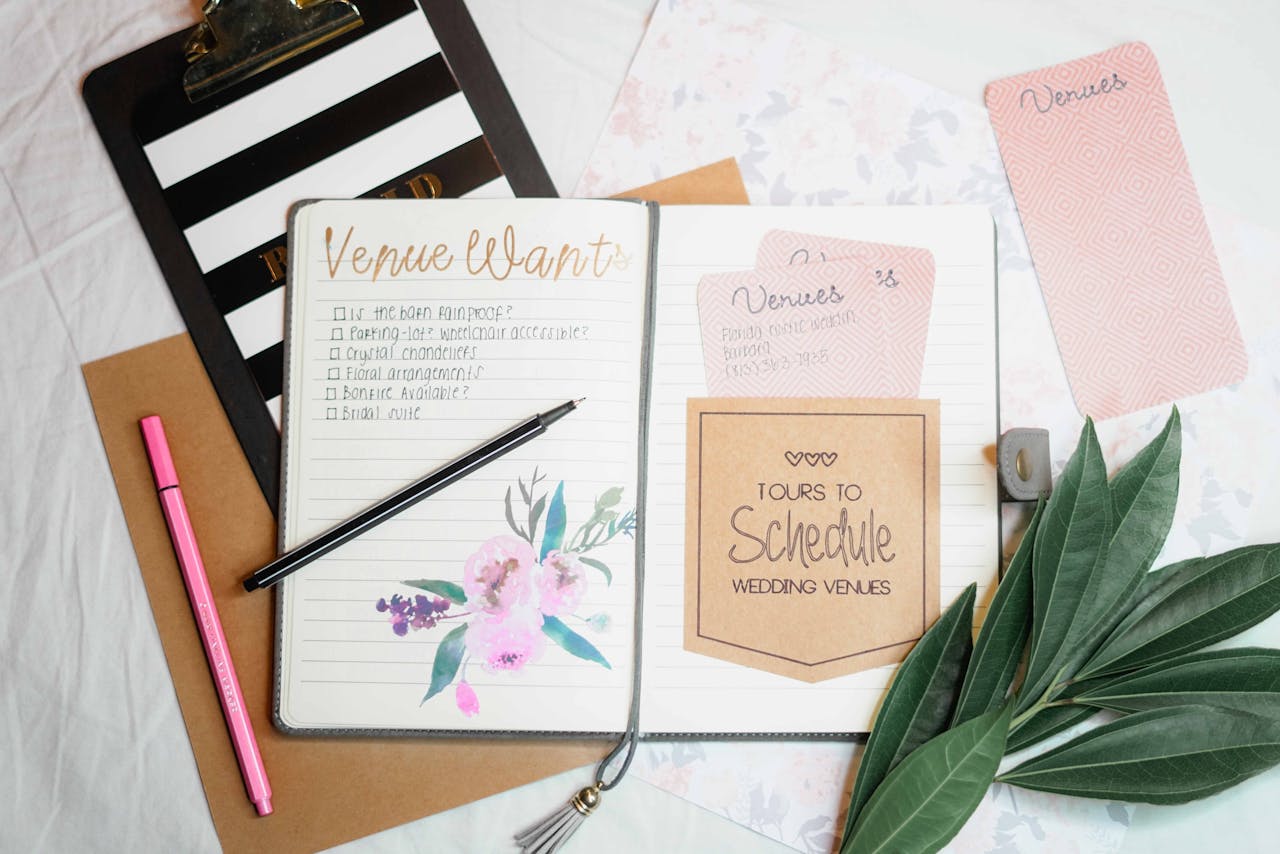
Why is the role of the wedding planner increasingly in demand?
Planning a wedding means managing a complex project that involves timelines, budgets, contracts, suppliers, logistics, and a strong emotional component. Couples who want a seamless, personalised, and stress-free celebration are increasingly turning to professionals who can oversee the entire process. The growing demand for customisation, the rise of themed weddings, the logistics of accommodating travelling guests, and the widespread use of digital tools have all contributed to making the wedding planner a key figure in today’s wedding industry.
What a wedding planner does: scope and responsibilities
The wedding planner acts as both director and designer of the wedding event. They turn ideas and constraints into an actionable plan, monitor quality, and handle unexpected issues. Their work includes consulting, operations, and on-site supervision.
Initial analysis and concept development
Every project starts with listening: desired style, level of formality, budget, guest count, accessibility needs, and symbolic or family elements to incorporate. From this, a concept is born that shapes all aesthetic and organisational decisions.
Planning and operational timeline
Once the creative direction is defined, the wedding planner structures a detailed timeline: booking deadlines, budget reviews, menu tastings, invitations, guest RSVPs, technical setups, and ceremony rehearsals. This timeline becomes the project’s control panel.
Supplier search, selection, and management
Venue, catering, floral designer, photographer, videographer, music, lighting, coordinated stationery, transport, hospitality. The planner assesses each supplier’s reputation, budget compatibility, availability, and style. They negotiate quotes, clarify contractual duties, and maintain direct communication with all parties. For this very reason, some businesses have positioned themselves to offer services for couples living in different countries or wishing to get married far from home, providing multilingual support, remote planning, and logistical coordination. Here’s an example of the services offered by a wedding planner based in Italy who specialises in international weddings and works with British couples.
Budget management and resource allocation
The initial budget is divided into categories, with estimated costs compared against actual quotes. A good planner proposes smart alternatives if there are overruns and helps the couple identify where to invest for the best impact.
Problem-solving and contingency planning
Zero risk doesn’t exist. Weather conditions, delays, missing deliveries, and last-minute changes to guests or menus require quick decision-making. Experienced planners prepare backup plans, maintain up-to-date contacts, and work with detailed checklists.
Event-day coordination
On the big day, the planner orchestrates timings, suppliers, and transitions: guest arrivals, final setups, couple’s entrance, meal service, speeches, cake cutting, and entertainment. Their goal is to make the behind-the-scenes complexity invisible to the guests.
Key skills for becoming a wedding planner
Being a wedding planner demands a mix of technical, managerial, and interpersonal skills. Aspiring professionals should develop strengths in:
- Planning and managing complex projects
- Organising schedules, vendors, and documents
- Clear, empathetic, and solution-focused communication
- Applied aesthetics: colour palettes, materials, lighting, visual consistency
- Interpreting and comparing quotes
- Negotiation and contract management
- Budget control
- Stress management and fast decision-making in critical situations
- Digital tools: spreadsheets, project management software, CRM, cloud platforms, social and content marketing
- Teamwork in multidisciplinary environments
Getting started: training, experience, and credibility
There is no universal professional register for wedding planners, so your journey depends on your goals, available resources, and target market.
Foundational training
A solid introductory course in wedding planning or event management offers structure: project phases, supplier relations, contract basics, event aesthetics, and client communication. Choose programmes that include hands-on exercises, budget simulations, and real-world case studies.
Advanced training and specialisations
You can deepen your expertise with modules in floral design, event food & beverage, lighting and audio management, ceremonial protocol, accessibility and inclusion, marketing for freelancers, and pricing strategies.
Certifications and accreditations
Although not mandatory, certifications from recognised events or hospitality bodies can boost credibility, especially at the start when you lack a portfolio. Always check the provider’s reputation, teaching hours, practical experience, and certificate value with agencies or clients.
On-the-job experience
Shadowing an experienced planner is still the most effective way to learn. Offer your help as a seasonal assistant by supporting site visits, timeline revisions, setups, supplier coordination, and day-of operations. Even roles in venues, catering, or event production can provide transferable skills.
Portfolio and reputation
Document every experience with authorised photos, role descriptions, and summaries of managed budgets or challenges faced. Collect testimonials from clients and suppliers. Prepare a short, polished PDF or slide deck to send to potential clients.
Running it like a business
Wedding planners aren’t just event technicians: they’re service professionals offering paid consultancy. An entrepreneurial mindset is essential.
Define your business model: fixed fee, percentage-based fees on the budget, modular packages, or hourly consultation
Establish processes: client onboarding, initial questionnaires, shared timeline tools, payment policies
Track key metrics: qualified leads, conversion rates, average budget, profit margins
Build a strong online presence: professional website, updated portfolio, engaging social channels, valuable content (guides, tips, short videos, etc.)
Protect your business: use clear contracts and keep documentation organised
Ongoing learning and emerging trends
The wedding industry evolves quickly. Aesthetic trends, digital tools, sustainability expectations, and hybrid formats (in-person + online) are changing the way planners work. Staying up to date is part of the job. Attend workshops, trade fairs, technical webinars, and join professional communities. Explore tools for shared timelines, cloud-based document management, live-streaming platforms, 3D space layout, and environmental impact tracking. The ability to learn, adapt, and communicate your value over time is what separates professionals with stable careers from occasional planners.

Home Decor
Airport Wellness Corners Where Fitness Equipment Movers Los Angeles Keep Shift Changes Smooth

Airports run on clockwork and caffeine, so tiny wellness corners can feel like secret cheat codes for tired shoulders. When a shift flips, bodies do not magically reset, so a few smart stations with bikes, stretch tools, and compact strength gear can help. Midway through the plan sits this link as a practical reference https://beezeemovers.com/fitness-equipment-movers-in-los-angeles and it points to the kind of specialized handling that keeps schedules intact. The goal is simple: calm set ups, fast swaps, and spaces that feel welcoming, not like a loud showroom. It also helps to treat the corner like a lounge, not a punishment for skipping leg day. A card with three quick moves and a timer helps, so it stays easy at 5 a m. Even a small fan and calming scent can shift the mood.
How Can A Terminal Make Recovery Feel Effortless
Think of it like adding a pit stop to a long race, except nobody is wearing a bib and the finish line keeps moving. A narrow break room can still host a foldable bike, resistance bands, and a mat that does not slide, as long as access paths stay clear and noise stays low. Placement matters, too, as staff will use what they can reach without negotiating carts, doors, and security lanes. A simple rule works: if it takes more than a minute to start, it will collect dust. If the space sits near a break table, even better. People will stretch while coffee cools. And if the gear looks clean and simple, it feels safe to touch, and that matters.
The Quiet Logistics Behind The Curtain
Moving heavy gym gear through secure corridors is less about brute force and more about etiquette. Routes are timed around cleaning windows, baggage surges, and that brief calm when a gate finally exhales. Protective wraps, floor runners, and clean gloves keep the vibe professional, and the result is a set up that feels almost invisible.
- Schedule roll ins between flights and shift peaks.
- Use soft wheels that respect polished terminal floors.
- Keep fasteners bagged and labeled for quick reassembly.
- Test clearances for doors, ramps, and tight turns.
After the gear lands, a quick wipe down and a sanity check on bolts keeps everything ready for real use, not just photos.
What Makes These Micro Gyms Actually Get Used
It is not the fanciest machine, it is the feeling. Staff lean into stations that offer relief without asking for a full outfit change or a thirty-minute commitment. Add signage that reads like a friendly nudge, not a lecture, and suddenly the corner becomes part of the routine. Even better, rotate one small item monthly so the space stays fresh without becoming clutter. One more trick is lighting. Harsh fluorescents make everything feel like an inspection, while warmer bulbs make the corner feel like permission. Add a small hook for lanyards and keys, and the experience stops being awkward.
Shift Changes End With Less Ache And More Air
When the swap happens, the room should invite a reset in the same way a good playlist smooths a long drive. A couple of minutes on a compact cardio unit, a stretch sequence, and a sip of water can turn grumpy fatigue into workable calm. And because airports never sleep, the best layouts favor low sound, clean lines, and quick shutdowns so the next crew inherits a space that feels so cared for. Done right, the corner becomes a morale boost that travels crew to crew. It does not replace sleep, but it can save the last hour of a shift from feeling endless. That is the quiet win: a healthier handoff, done with respect for time and bodies.


In the heart of Italy, where artisanal tradition blends with innovation, a small business with a century long craftmanship history specialized in the production of high-quality leather belts. Parisini Pelletterie has always been a benchmark for brands wishing to offer their customers exclusive and refined accessories, strictly Made in Italy.
The balance between tradition and technological innovation has generated production lines where automation merges with skilled craftsmanship. This has allowed Parisini to develop a strong potential that is expressed not only in the high value of the product but also in the ability to manage the entire production cycle within the company, including the research&development and packaging phases.
Private label production: customized belts to enhance your brand
The company offers a complete private label service, allowing brands to create personalized belts with their own logo and design. A team of experts is available to support clients in every phase of the process, from the selection of materials to the design of the belt, ensuring a final product that reflects the brand’s identity and style.
Whether if your project requires specific materials, colors or unique and original designs, the company is able to meet the most diverse needs, offering customized and high-quality solutions.
Parisini belts represent a Made in Italy of high-quality production, both for the meticulous manufacturing and for the variety of processes and customized proposals. The creations, for both men and women, range from classic to casual, using raw materials of various types such as full-grain calfskin, vegetable tanned leather, fabric and canvas combined with leather, braided leather and elastic ribbons. Buckles can be chosen from different materials: brass, steel and zamak, all with characteristics that allow their free circulation on the markets.
Particular attention is paid to the selection of all belt components: the choice of leathers, metal accessories and processing products must all respect the environment.
Parisini’s creative and production consultancy expresses its value during the phase of studying the client’s project, to select the most suitable materials and production solutions, and to allow a smooth prototyping and production process.
For an all-round service, the company is also able to handle packaging and shipping to client’s hubs.
Why choose Parisini Pelletterie for the production of leather belts?
Experience and tradition: a century-long history in the production of high-quality leather belts, with a team of experts available to support clients in every phase;
- Made in Italy: a product that represents the excellence and refinement of Italian luxury;
- Wide range of materials and designs: a vast selection of fine materials and exclusive designs, developed in collaboration with the client;
- Quality and craftsmanship: a product made with artisanal care and focus on details;
- Flexible production and competitive costs: thanks to its strong organizational capacity, Parisini Pelletterie is able to manage the shipment of the finished product, ensuring timely deliveries to the client’s logistics centers.
Parisini can definitely be the ideal partner for brands wishing to offer their customers exclusive and high-quality leather belts. With its experience, its passion for craftsmanship, and its attention to details, Parisini is able to transform your ideas into high-quality products, to enhance the identity and style of your brand.

As the nights draw in and the temperature drops, it’s officially boiler season. November is when many households across the UK switch their heating back on for the first time in months and realise something’s not quite right. Maybe the radiators are slow to heat up, the water’s lukewarm, or the boiler makes a strange noise.
That’s exactly why November is the best time to arrange a boiler service and make sure your heating and hot water system is ready for winter. A quick check now can prevent breakdowns, improve efficiency, and keep your home warm when you need it most.
Why November Is the Perfect Month to Book
1. The Weather’s Cool but Not Freezing Yet
November sits in that ideal middle ground between mild autumn and freezing winter. Engineers tend to be easier to book, and you can have your system checked before demand peaks. Once December hits, call-outs start to surge, and getting an appointment can take longer. Taking care of it now means you’ll be prepared for the colder weather ahead.
2. Catch Problems Early
During summer, your boiler spends months barely ticking over, providing only hot water. That downtime might seem harmless, but it can allow parts to seize or minor faults to develop unnoticed. When the heating finally comes back on, those little issues often turn into sudden faults.
A check in November helps to identify problems like low pressure, sticky valves, or weak pumps before they cause bigger headaches. It’s the perfect time to give your boiler a quick health check so it can run reliably all winter.
3. Improve Efficiency and Lower Energy Bills
An efficient heating system can make a noticeable difference to your energy costs. When a boiler is properly maintained, it doesn’t need to work as hard to reach the same temperature, which means it uses less gas. During a routine visit, the engineer will test performance, clean the internal parts, and make sure everything’s running as efficiently as possible.
Even simple adjustments, like balancing radiators or topping up pressure, can help your heating work faster and more evenly. A well-maintained system also produces less wear on parts, reducing the chance of breakdowns later in the season.
4. Keep Your Home and Family Safe
A yearly check isn’t just about comfort, it’s also about safety. Boilers that haven’t been serviced in a while can become a hidden hazard, particularly if the flue, seals, or ventilation aren’t working as they should. A trained engineer will inspect these areas carefully and test for carbon monoxide leaks.
Carbon monoxide is invisible and odourless, so prevention is key. Making sure your system is running safely gives peace of mind that your home is protected all winter.
5. Keep Your Warranty and Insurance Valid
It’s easy to forget that most boiler warranties depend on regular servicing. If you skip a year, your cover could lapse without you realising. The same is true for many home insurance policies, which often expect proof of maintenance. Booking your annual service in November helps you stay on top of both, so you’re not caught out if something does go wrong later.
Keeping a simple service record is a smart habit that protects both your warranty and your wallet.
What’s Included in a Professional Check
If you’ve never seen what happens during a boiler inspection, it’s simpler than you might think. A professional engineer will:
- Inspect the boiler and surrounding pipework for leaks or corrosion
- Check the flue to make sure it’s safely removing waste gases
- Clean the burner, heat exchanger and ignition components
- Test safety controls and carbon monoxide levels
- Confirm the correct gas pressure and overall performance
The whole process usually takes under an hour, but it can make a big difference to the way your system performs throughout winter.
Simple Checks You Can Do Yourself
You don’t need to wait for an engineer to do a few quick checks around the house:
- Look at the pressure gauge; it should read between 1 and 1.5 bar when cold, or within the green zone if your boiler uses colour indicators.
- Bleed radiators if they have cold spots to remove trapped air
- Turn your heating on for a short while to make sure everything is working smoothly
- Check for any leaks or damp patches around visible pipework
- Listen for any rattling or whistling noises that might indicate trapped air or sludge
These small steps can keep your system running efficiently and help you spot potential issues early. If something seems unusual, note it down and mention it when you book your boiler service.
Why an Annual Check Makes Sense
Booking a service each year has long-term benefits. It helps you avoid the inconvenience of a sudden breakdown, but it also improves overall system performance. Regular maintenance keeps parts moving freely, improves safety checks, and ensures your boiler runs efficiently, which can lower energy consumption over time.
A well-looked-after system can last several years longer than one that’s neglected. It’s also better for the environment, as efficient heating uses less energy and reduces emissions.
Don’t Wait for the Cold Snap
It’s easy to delay a boiler check until something stops working, but by then you’ll be competing with everyone else for appointments. November gives you the chance to stay ahead, book a convenient time, and make sure your heating system is fully ready for winter.
A short visit from a qualified engineer now means no unexpected cold mornings, no last-minute panic, and a warm, comfortable home for the months ahead. It’s a small job that makes a big difference to how your home feels.

Airport Wellness Corners Where Fitness Equipment Movers Los Angeles Keep Shift Changes Smooth

Italian Excellence In Leather Belt Production: Parisini Pelletterie For Your Brand

Keep the Heat On: Why November Is the Smartest Month for Boiler and Heating Checks

Are disposable cups profitable for cafés

Becoming a wedding planner: a practical guide

The Importance of Local SEO 2025: Boosting Visibility & Driving Growth

Best Work Order Software for Maintenance Efficiency

Secure Your NFT Experience: Expert Tips for Using Treasure NFT Login Securely and Effectively

Exploring Moviesda 2025: Tamil Cinema’s Digital Hub for Streaming, Downloads & Digital Trends

PRMovies 2025: Watch the Latest Movies & Web Series for Free

10 Best Free Anime Websites to Stream and Download Anime (No Sign-Up Needed)

The Spark Shop’s Batman-Style Wireless BT Earbuds Review: Features, Performance & Why It’s a Must-Have for DC Fans

How to Recycle a Laptop Safely and Responsibly in 2025: A Step-by-Step Guide

15 Best Highway Trips in Scotland for Full of Scenery & Story

Baseus Blade 100W Portable Power Bank For Laptops: Ultra-Slim Performance for High-Demand Laptops

Cheap Refurbished and Second Hand PC Laptop market in London

Una Healy Sparks Fan Excitement with Upcoming ‘House of Games’ Appearance

Steph Curry Strengthens His Support for Women’s Basketball

Historic 185-Year-Old Pie Shop, Burchall’s, Set to Close in St Helens

UK MPs Criticise Slow and Uneven Rollout of EV Charging Points

The Most Efficient Ways To Use The Best 6 Business Keynote Presentations

Starbucks Partner Hours App Login Guide

15 Best IPTV Service Providers in the UK 2025

Is Forecasting A Part Of Data Science?

What does it mean to Dream About Pennies?

10 Best Free Video Player Apps For Apple TV
Exploring Moviesda 2025: Tamil Cinema’s Digital Hub for Streaming, Downloads & Digital Trends

How To Enhance Your Viewing with Video Subtitle Support

Top 20 Low-Calorie Healthiest Biscuits and Cookies for Weight Loss in 2025

Benefits of UK Skilled Worker Visa for International Professionals

How to Automate Desk Booking Systems at a Coworking Space

Best and Top-Rated British Handbag Brands in The UK

The Art of Media Relations in Financial PR: Cultivating Strong Journalistic Partnerships

Best Cracked Apps or Apk Sites for iOS and Android 2025

25 Benefits of Using Low-Calorie Biscuits for Weight Loss

Mastering the Art of Investment Management with Derek Pesta: Navigating Market Volatility

Mindful Healing: Dr. Lenore Matthew’s Breakthrough in Grief Support

Diversifying wealth: The art and science of investing in precious metals

Real Estate Crowdfunding: A Beginner’s Guide to Investing
How to Download Full Crack Version of Microsoft Office 2013 Torrent
-
Business3 years ago
The Most Efficient Ways To Use The Best 6 Business Keynote Presentations
-
Apps and Software1 year ago
Starbucks Partner Hours App Login Guide
-
Entertainment1 year ago
15 Best IPTV Service Providers in the UK 2025
-
Tech3 years ago
Is Forecasting A Part Of Data Science?
-
Economy4 years ago
What does it mean to Dream About Pennies?
-
Entertainment1 year ago
10 Best Free Video Player Apps For Apple TV
-
 Entertainment7 months ago
Exploring Moviesda 2025: Tamil Cinema’s Digital Hub for Streaming, Downloads & Digital Trends
-
Entertainment3 years ago
How To Enhance Your Viewing with Video Subtitle Support